
Dual-use engineering matters because the speed of defence innovation now depends on skills, technologies and supply chains that often sit outside traditional defence. Modern threats move quickly. Drones, robotics, sensors, autonomy and software are developing in commercial markets as fast as they are developing in military ones. That creates a problem for defence organisations that rely only on long procurement cycles and closed technology stacks.
The answer is not to copy commercial technology directly into defence. That rarely works. Defence has different requirements: reliability, security, maintainability, operator trust and resilience under pressure. But the engineering base behind commercial mobility, aerospace, motorsport, robotics and energy storage can bring real value when it is adapted properly.
ESOX has been built around the idea that defence can benefit from technologies developed in adjacent high-performance sectors, provided they are engineered for military and security use from the start. Our work across electric propulsion, uncrewed systems and advanced power technology reflects that dual-use approach.
The X1 interceptor drone is one example. It brings together uncrewed aerial systems thinking, advanced propulsion, software and power integration for counter-UAS applications. The X2 UGV technology demonstrator applies the same logic on the ground, using electric drive and control systems as a testbed for mobility, autonomy and future defence platform development.
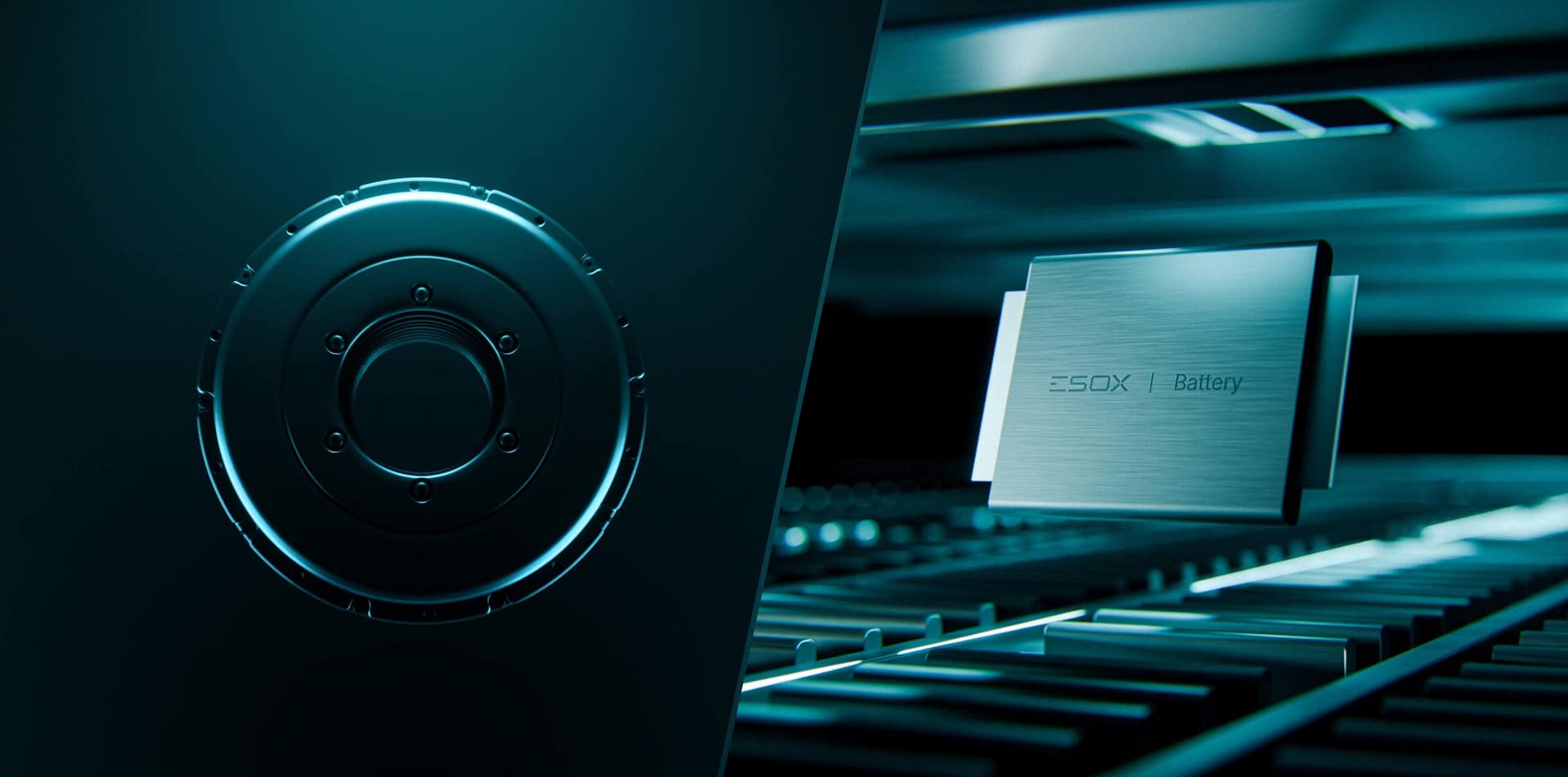
ESOX’s integration of solid-state battery technology into X1 and X2 also shows why dual-use matters. The technology has commercial relevance in mobility, but ESOX is applying it to defence use cases where weight, energy density, safety, survivability and supply-chain resilience are operational issues, not just product features.
The battery technology delivers 400 Wh/kg energy density, which is directly relevant to uncrewed aerial and ground systems where power-to-weight ratio affects endurance and mobility.
This direction also matches wider defence policy. NATO’s DIANA programme focuses on dual-use deep-tech companies working on defence and security problems, while the UK Strategic Defence Review calls for faster adoption of autonomy and new technologies across defence.
Dual-use engineering is not a shortcut. It does not remove the need for defence discipline, testing or operational judgement. But it does give defence a larger pool of technology, talent and ideas to draw from. For companies like ESOX, the opportunity is to take the speed of commercial engineering and apply it to defence problems with the rigour those problems require.
